Creative strategy agency for performance‑driven brands
Ad creative built to sell: briefed from customer research, made for each placement, and tested against media results every week.
What is creative strategy?
- What it is
Creative strategy decides what an ad says, to whom, and in what format, based on customer research and test results.
- Who it is for
DTC and ecommerce brands where creative drives paid social efficiency, often in beauty, wellness, and home.
- What MVR does
We research, brief, produce, and test static, video, UGC, and carousel ads, and feed results into the next brief. The work fuels paid media accounts managing $3M+ a month.
Give every concept a purpose
We define the audience, message, and funnel role before production starts.
Build enough to learn
We make variations that explore different reasons to buy, then let performance guide the next round. For Saysh, that meant 1,200+ content and message variations.
Produce for the actual placement
We match production to the channel, from UGC to TV and CTV spots, like Peddle’s 30-second spots for MNTN, Amazon Prime Video, and Google Premier.
UGC
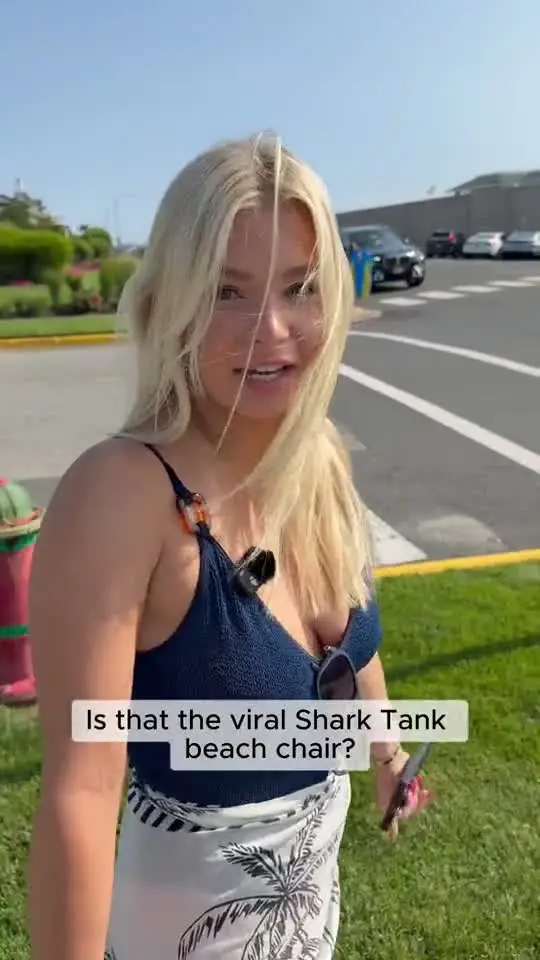
UGC and creator content
Creator-led ads feel native to the platform and build trust. We run the whole process, from casting creators to the final edit.
- Creator casting
- Creative briefs
- Editing
Static
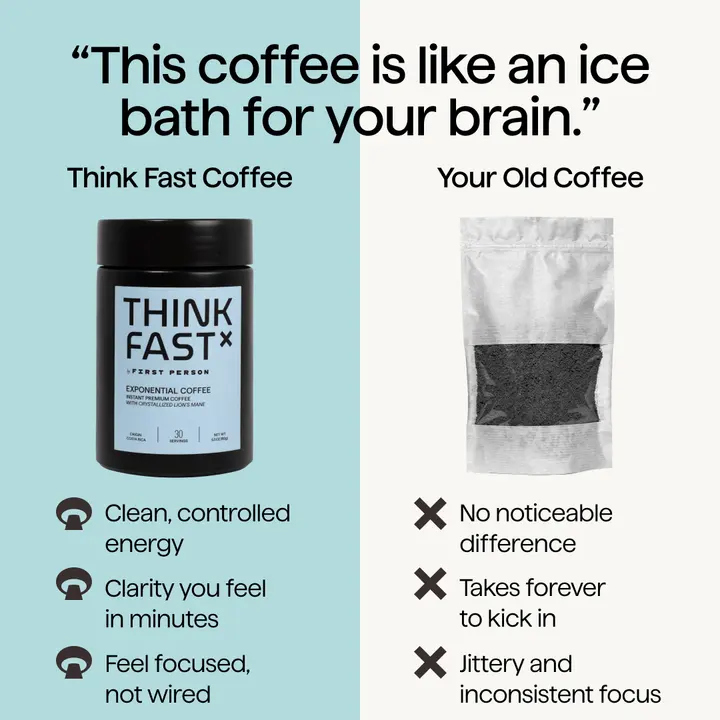
Static and carousel ads
Editorial quotes, comparisons, reviews, and callouts. Each one leads with a different reason to buy.
- Editorial
- Comparison
- Review
- Callout

Video
Video and TV production
Product films and 30-second spots, cut for Feed, Stories, Reels, and connected TV. The Peddle spot shown here is handmade animation, built entirely in-house from scratch.
- Animation
- TV spots
- Reels
- CTV
We give your creative a clear plan for what to run, refine, and try next.
Core campaigns
Keep proven creative working in the campaigns that carry your account.
A test budget
Fund experiments separately until business results earn them a place in the core.
Iterate on winners
Build on successful creative by refining hooks, visuals, and messages.
Net-new swings
Try fresh concepts to discover what else connects with your customers.
Plan the creative
An MVR Creative Brief for every concept.
Launch the test
A budget matched to the test question. Results and sample size decide how long it runs.
Review on day 7
Results and sample size decide whether we scale, revise, stop, or keep testing. No extra week because someone likes the concept.
Feed the next brief
Winners scale. The rest get analyzed: was it the hook, the offer, or the format? The answer shapes the next round.
Every concept sits in an ad matrix of opening hooks, visual themes, and formats. Each sprint answers 1 question about your customer, such as whether problem education or product education wins with a given audience.
Opening hooks
Same visual, different opening lines, judged on thumbstop rate.
Visual themes
Different visuals, same message, judged on click-through rate. Each ad stays on 1 pain point from hook to close.
Formats
Ad types like before and after, testimonial, or comparison, made as statics, carousels, UGC videos, or text walls.
Winning pairs
Message and visual pairs are judged on CPA and ROAS. Most new winners grow out of earlier winners.
Ad and page in sync
Every ad name records its hook, format, funnel stage, and landing page, and the page keeps the ad’s promise.
Each MVR Creative Brief opens with background and the ads that inspired it, so anyone can see how we got there. Same product, different ways of talking to people: each new concept speaks to a different person.
Start with the pain point. Show how the product helps.
Person and daily life
Who they are as people and what their normal day looks like, including where they are in the funnel. Clear enough to cast the right creator.
Pain point and desired change
One pain per ad, found in customer and competitor reviews, and the change the person wants.
Product or service as the helper
The product arrives as the answer to that pain, not as a list of features.
Hook and format
3 opening hooks per concept, with on-screen text and audio written separately, and a format matched to the funnel stage.
Creator ads work when the creator fits the buyer and the delivery feels natural, so every video speaks to one person and one pain point.
Start from the goal and the buyer
We work backward from your goals, find creators who match the buyer, and test a few profiles before settling on a core bench.
Reach out and negotiate
We approach creators directly, negotiate fair rates, and look for long-term partners, not one-offs.
Script the structure, not the voice
Each creator gets 3 opening hooks and 2 body options, then says it in their own words.
Get the raw footage
Creators send everything raw, and our team edits.
Cut many ads from each shoot
Our editors cut each shoot into several ads, with closed captions on every one.
Secure the rights
We track usage terms and whether each video runs as a whitelisted ad, a collab post, or neither.
Test hooks, then scale
We test hooks within one pain point. Depending on performance, the creators who win can go on retainer.
Every concept is measured against its business goal: purchases for ecommerce, qualified leads for lead generation. MVR Studio ranks concepts by CPA and hook rate and flags active ads that look too much alike, so fatigue gets caught before costs rise.
- CPA, hook rate, and spend for every concept
- Creative similarity checks across active ads
- Winning hooks and angles logged for the next brief
We plan media around your revenue, profit, or lead targets.
Offers that add value, not markdowns
We give new customers a better reason to act, like a bundle, a package, or a consultation, instead of cutting price.
Read our approach: Offers that add value, not markdownsNew concepts, not rotation
When people see the same ads more often and costs rise, we test new concepts built around different customer needs.
Read our approach: New concepts, not rotationEvery ad judged by its job
Awareness, consideration, and conversion ads each get their own scorecard, with business results above all 3.
Read our approach: Every ad judged by its job
What does a creative strategy agency do?
Develops the concepts, messaging, and content plans behind your ads, then tests them. Every piece is built to drive a measurable result, from paid social ads to brand campaigns.
What does a creative strategist do?
Reads customer research and test results, decides which ideas to make next, and writes the briefs. A good strategist knows why an ad won, not only that it won.
How do you develop creative for paid social ads?
We study your audience, competitors, and top-performing content, write MVR Creative Briefs, produce video and static ads, and test variations to find what converts.
Do you handle both photo and video production?
Yes. We produce UGC-style content and polished brand creative across photo and video, from concept to final delivery for each platform.
How many ad creatives should you test?
Enough to answer the test question and give the algorithm real variety. The mix follows the question, and new concepts follow every week. For Blu Atlas we tested 4,100+ variations over 17 months.
Can you work with our existing brand guidelines?
Yes. We work inside your guidelines and adapt your visual identity for each platform and audience.
Performance creative vs. brand creative: what is the difference?
Performance creative is built to drive an action, like a click or a purchase, and is tested and changed constantly. Brand creative builds recognition. We blend brand storytelling with direct-response structure.
What are UGC ads?
Ads made with content from real customers or creators, usually filmed on a phone in the creator’s own voice. They feel native to social feeds and build trust, which is why creator-led ads often beat polished brand creative in direct response.
Blu Atlas
Men’s grooming
4,100+
Creative variations tested over 17 months, from launch to an 8‑figure exit.
Source: Business WireSunflow
Beach chairs
3,700+
Ad assets made since 2022 for a client of 7+ years, with hooks from top performers reused on new formats.
Topicals
Skincare
First-purchase CPA from $50+ to under $16
First-purchase CPA, with the hero product sold out 4x and a Sephora partnership.
Vella Bioscience
Women’s wellness
168%
Growth in the first 2 years, in a restricted category, with 115K email subscribers.
Creative is the fuel that makes paid media work. It connects to our ecommerce growth programs so every channel keeps performing.